Vezirkopru Bedesten and Arasta Adaptive Reuse Project
Vezirköprü, Samsun
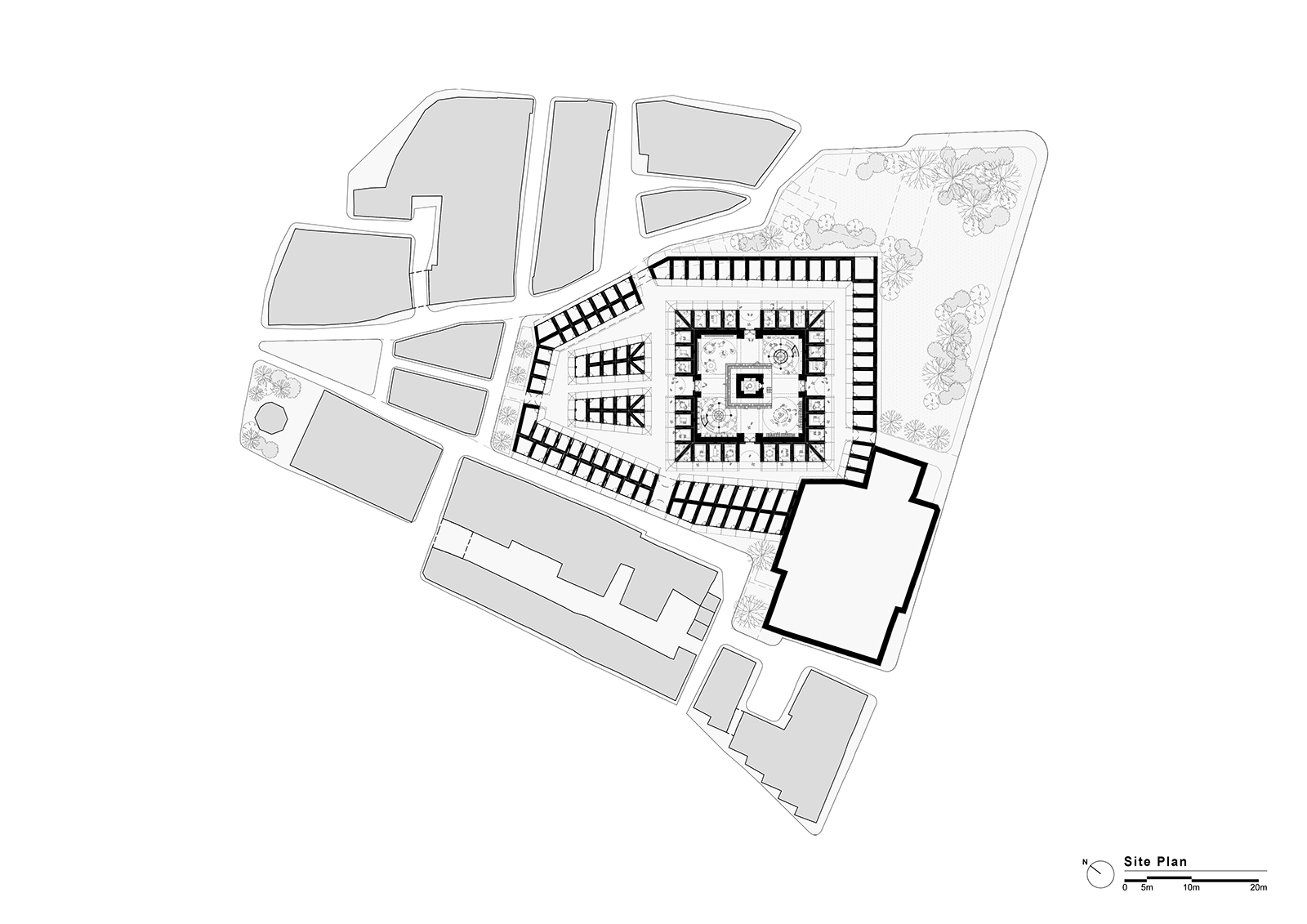
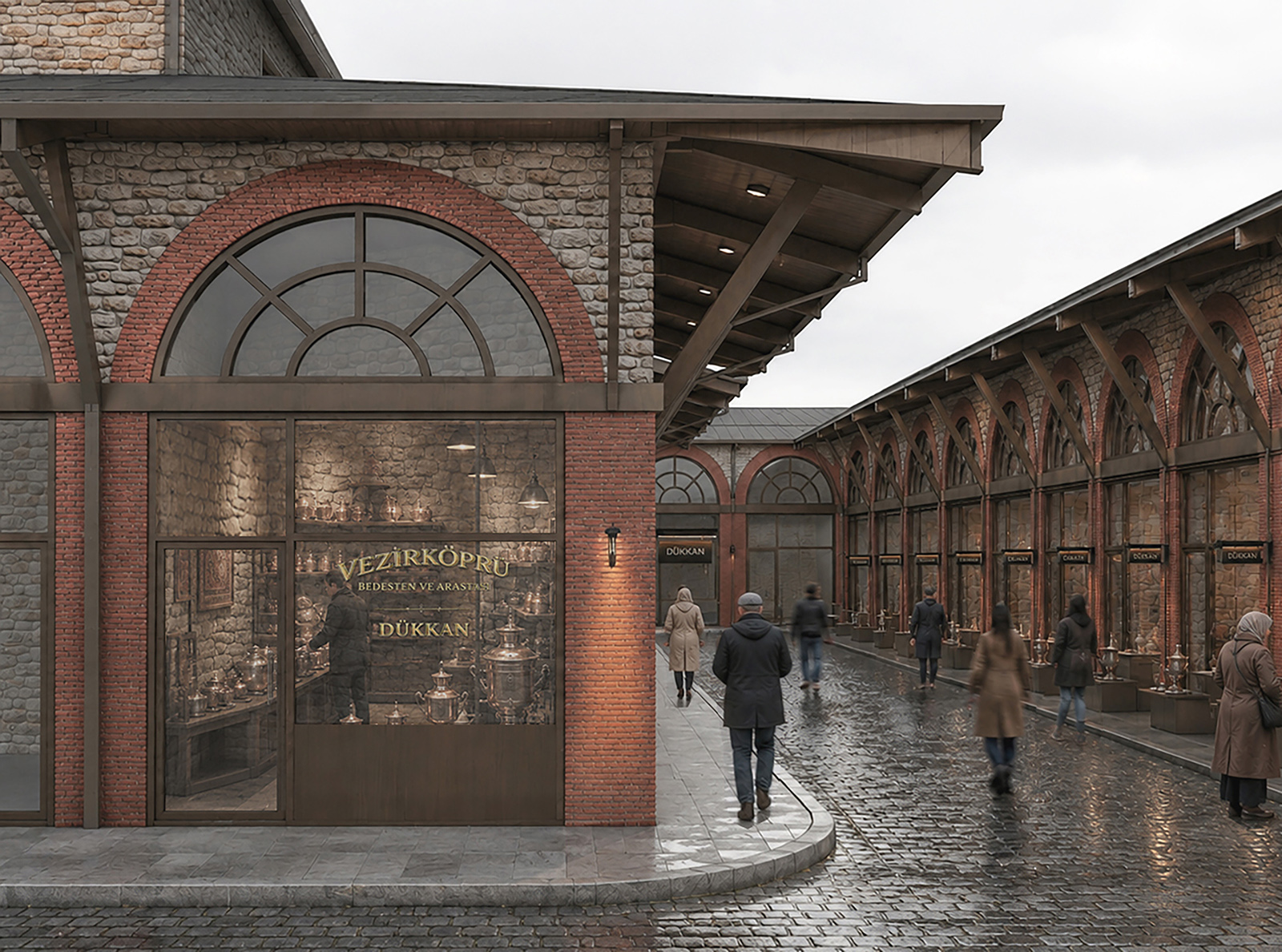
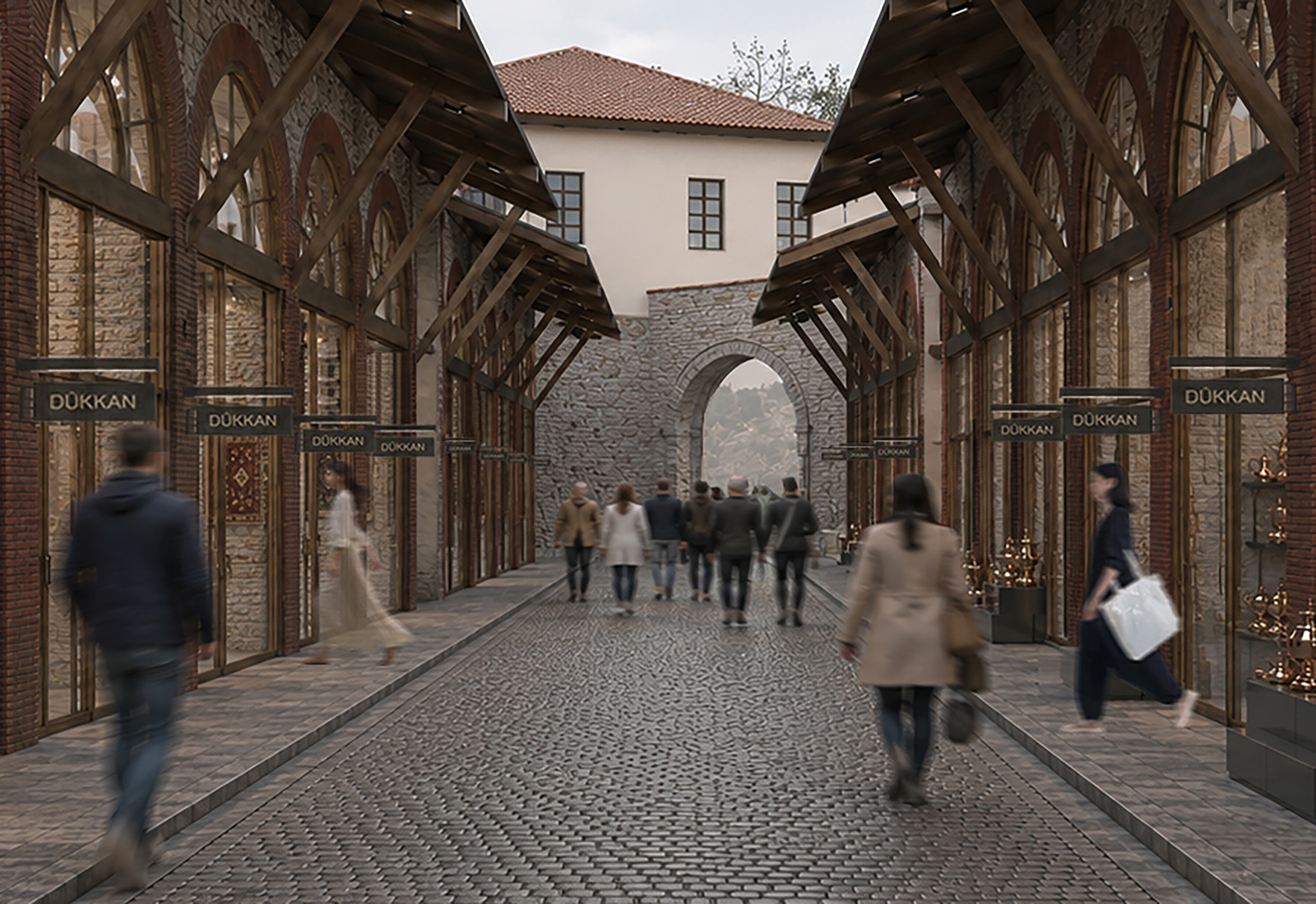
Established in 1747, the historic bedesten (covered bazaar) and its surrounding arasta (open bazaar) in Vezirkopru serve as the cornerstone of the city’s cultural and commercial identity. Rather than treating these sites as isolated monuments, this adaptive reuse project revitalizes them as an interconnected public system, weaving the bazaar together with the nearby square, inn, bathhouse, and mansions. To anchor this historic narrative, the design introduces a new entrance plaza at the intersection of 100. Yıl Street and Tas Han, creating a gateway for a curated tourist route, while a revitalized park between the madrasah and bathhouse encourages community interaction and preserves the site’s historic continuity.
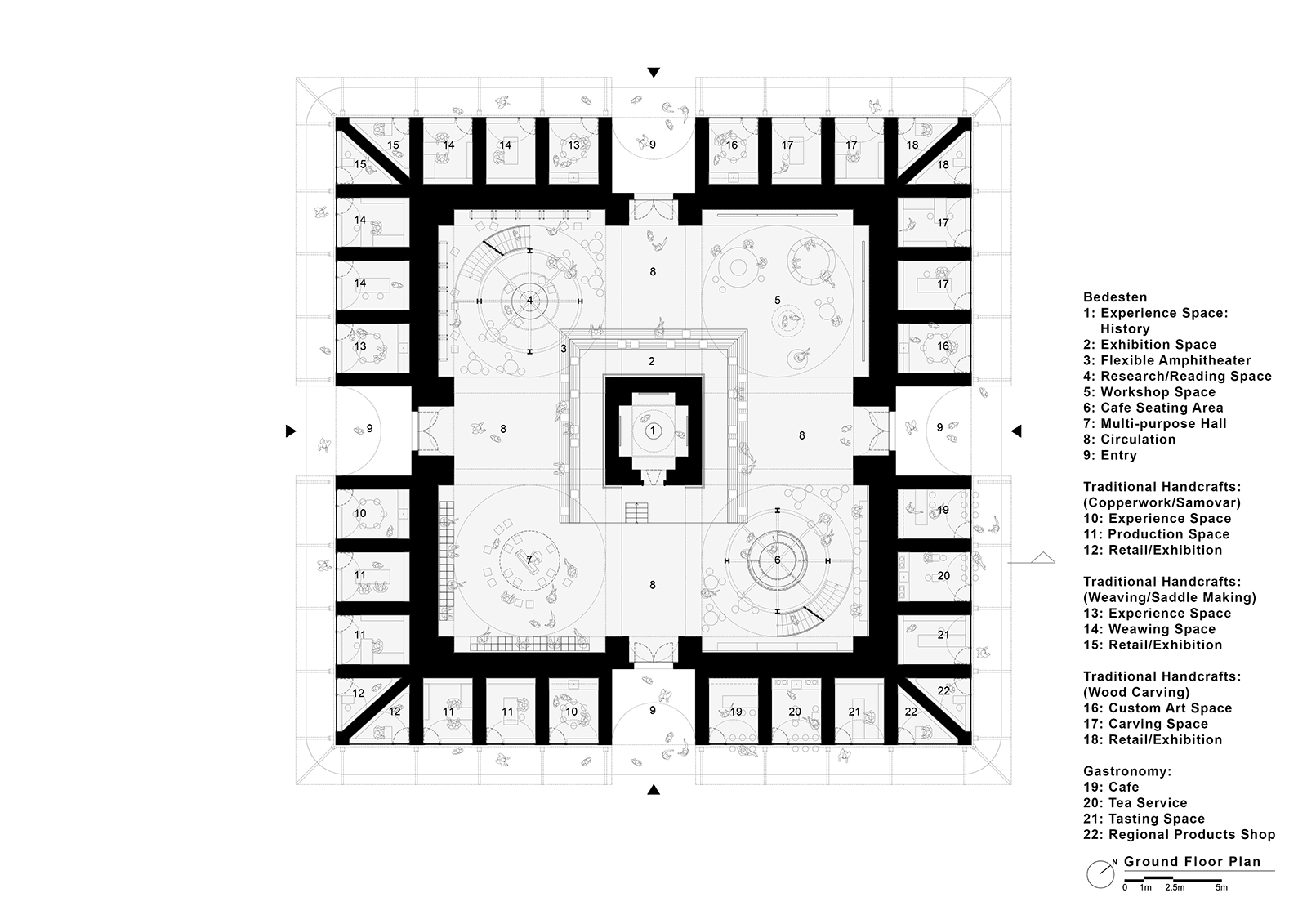
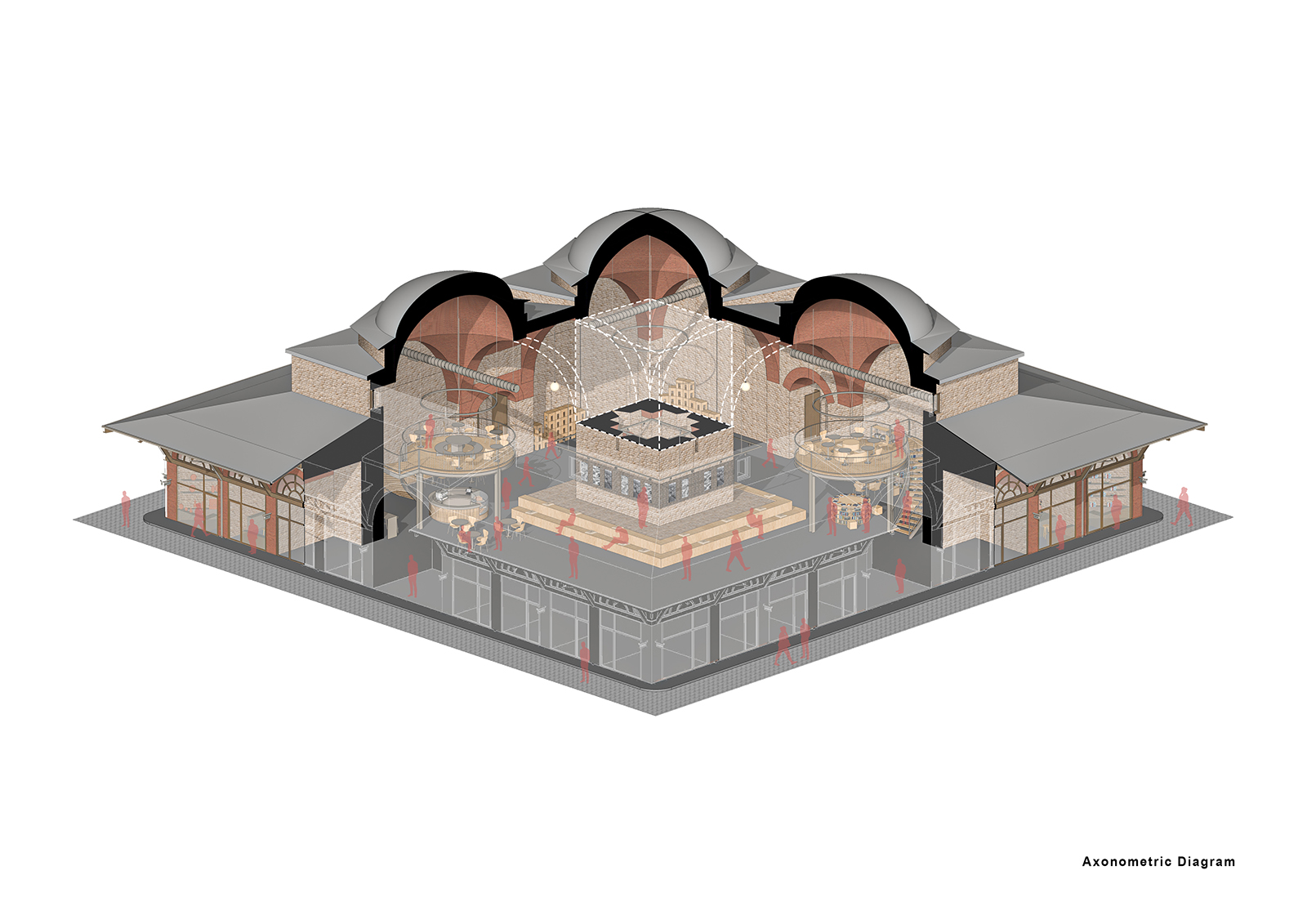
The redevelopment of the arasta follows a strategic three-tier approach, transitioning from artisan-focused commercial spaces on the exterior to vibrant cultural and public programs within. By eliminating visual clutter and implementing a cohesive design language for signage and furnishings, the project aims to restore the bazaar’s original character. Furthermore, a planned property swap, exchanging private interests within the bedesten for municipal shops in the arasta, will centralize management, ensuring the long-term administrative and programmatic unity of the complex.
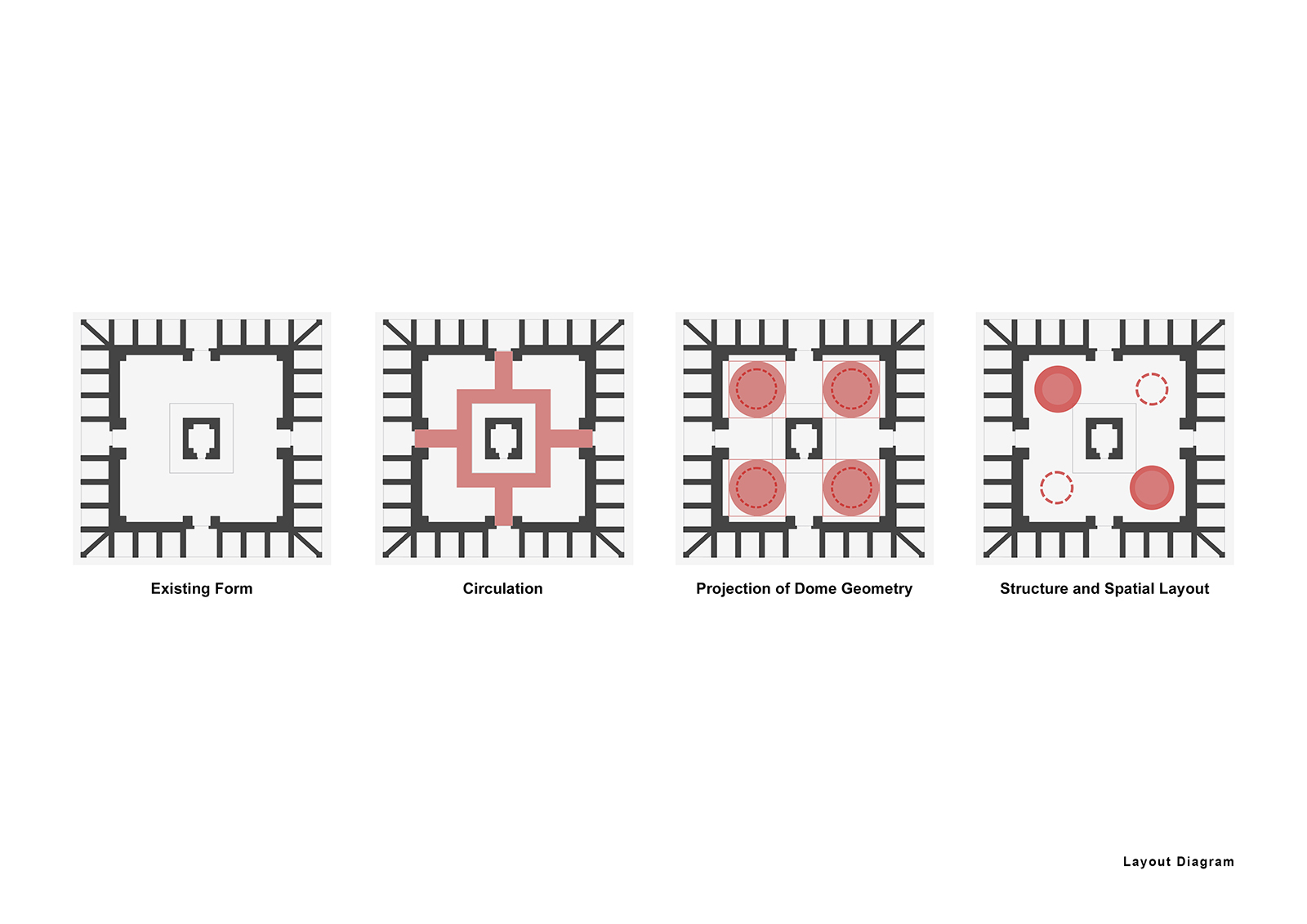
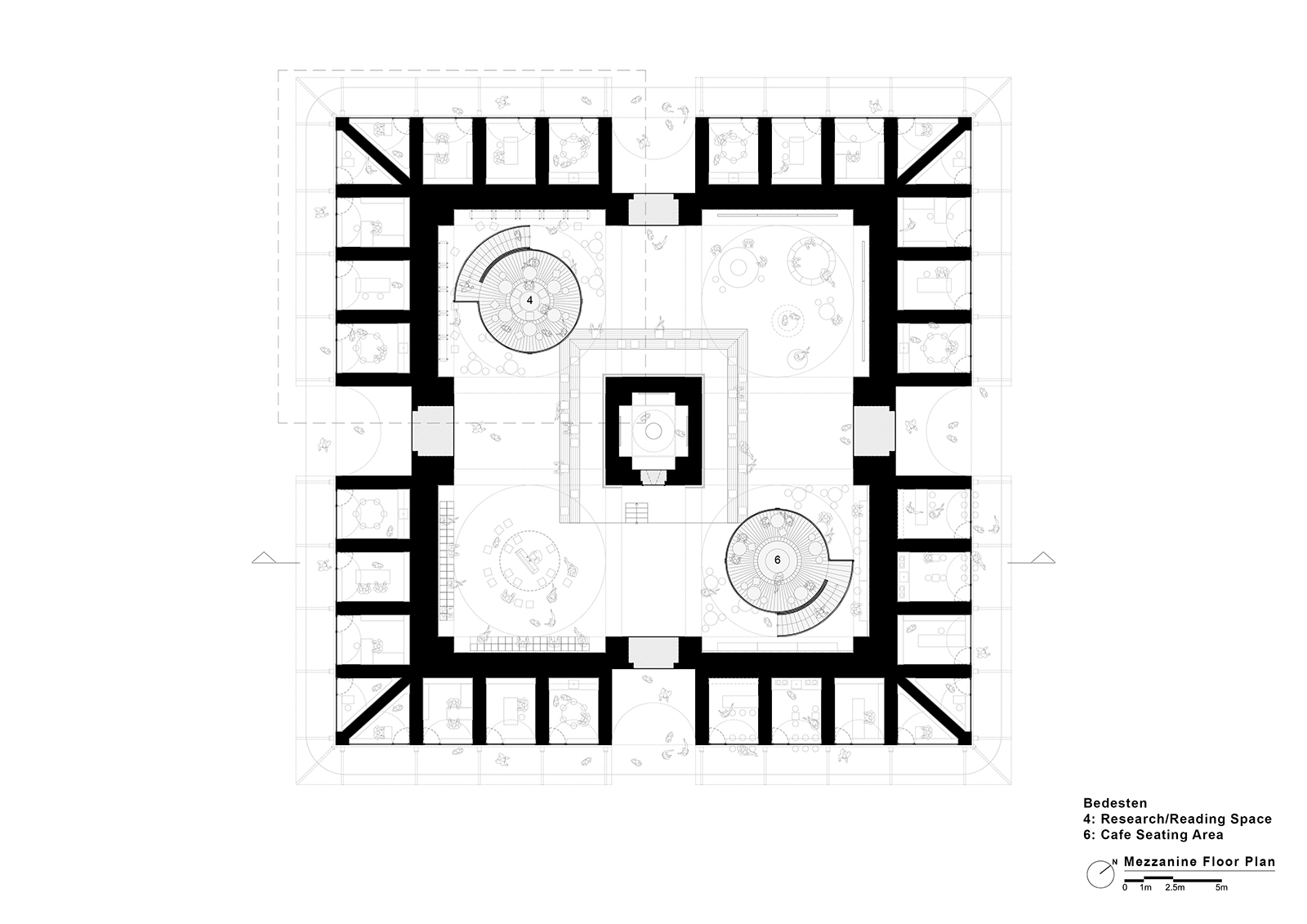
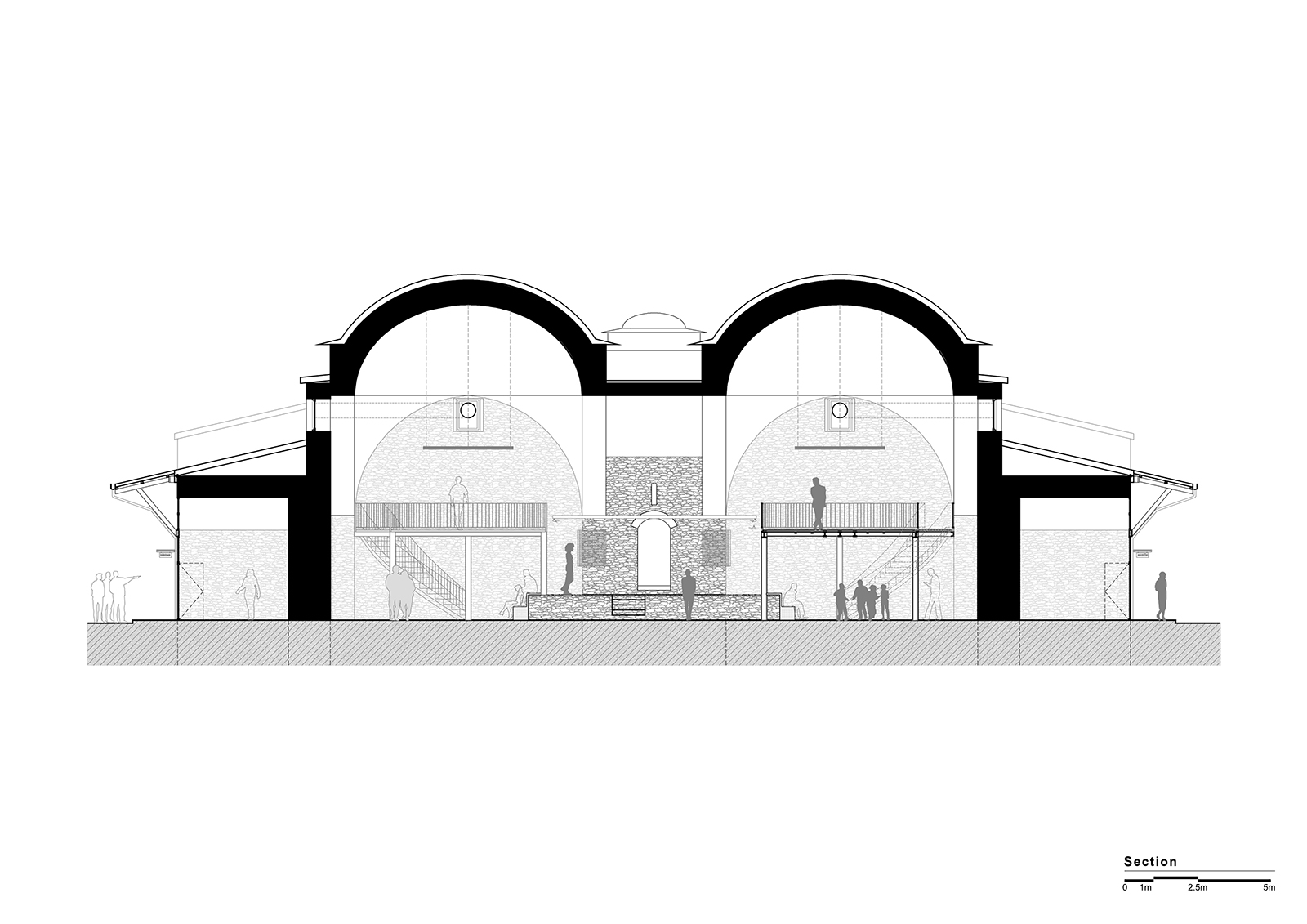
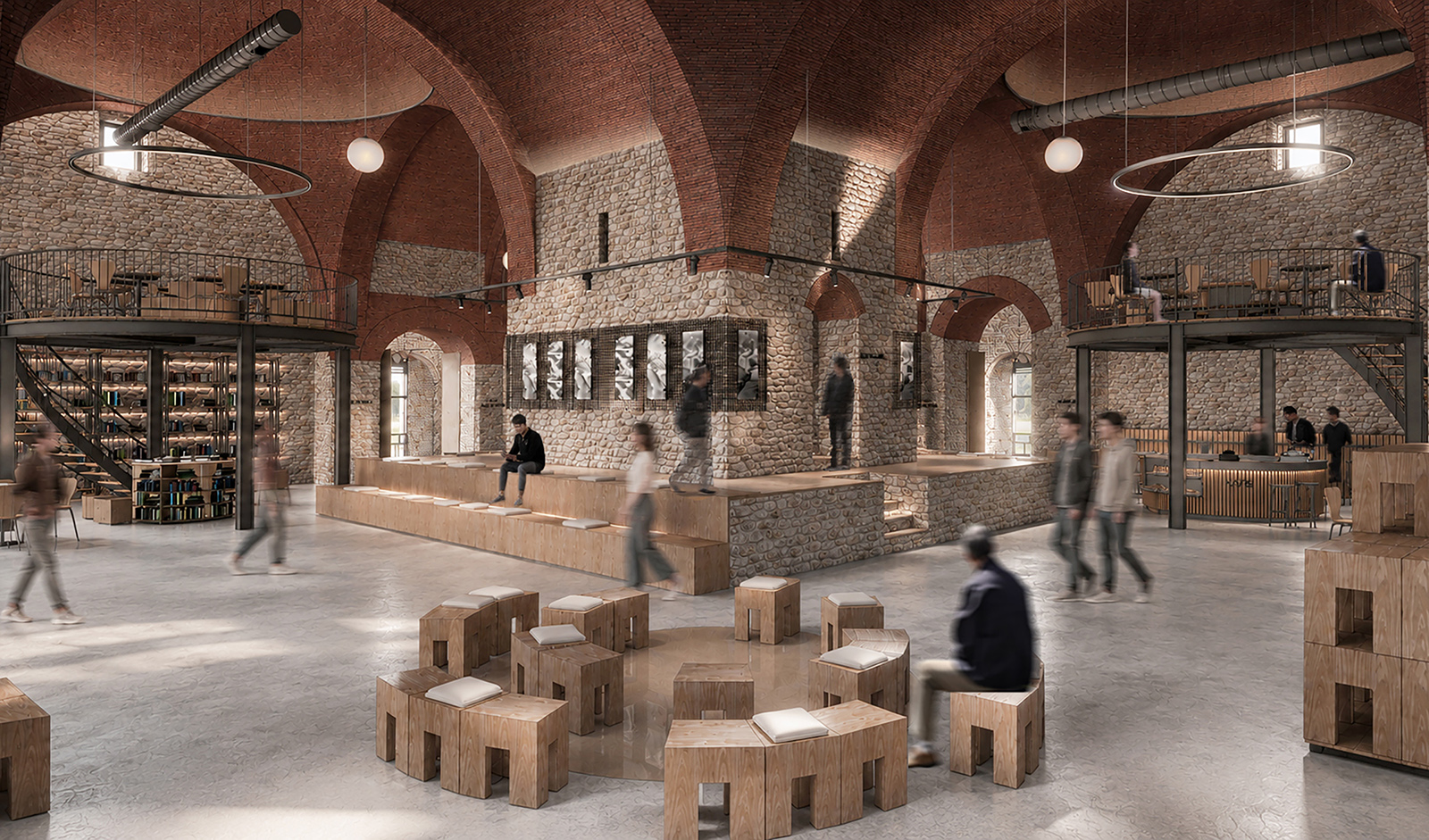
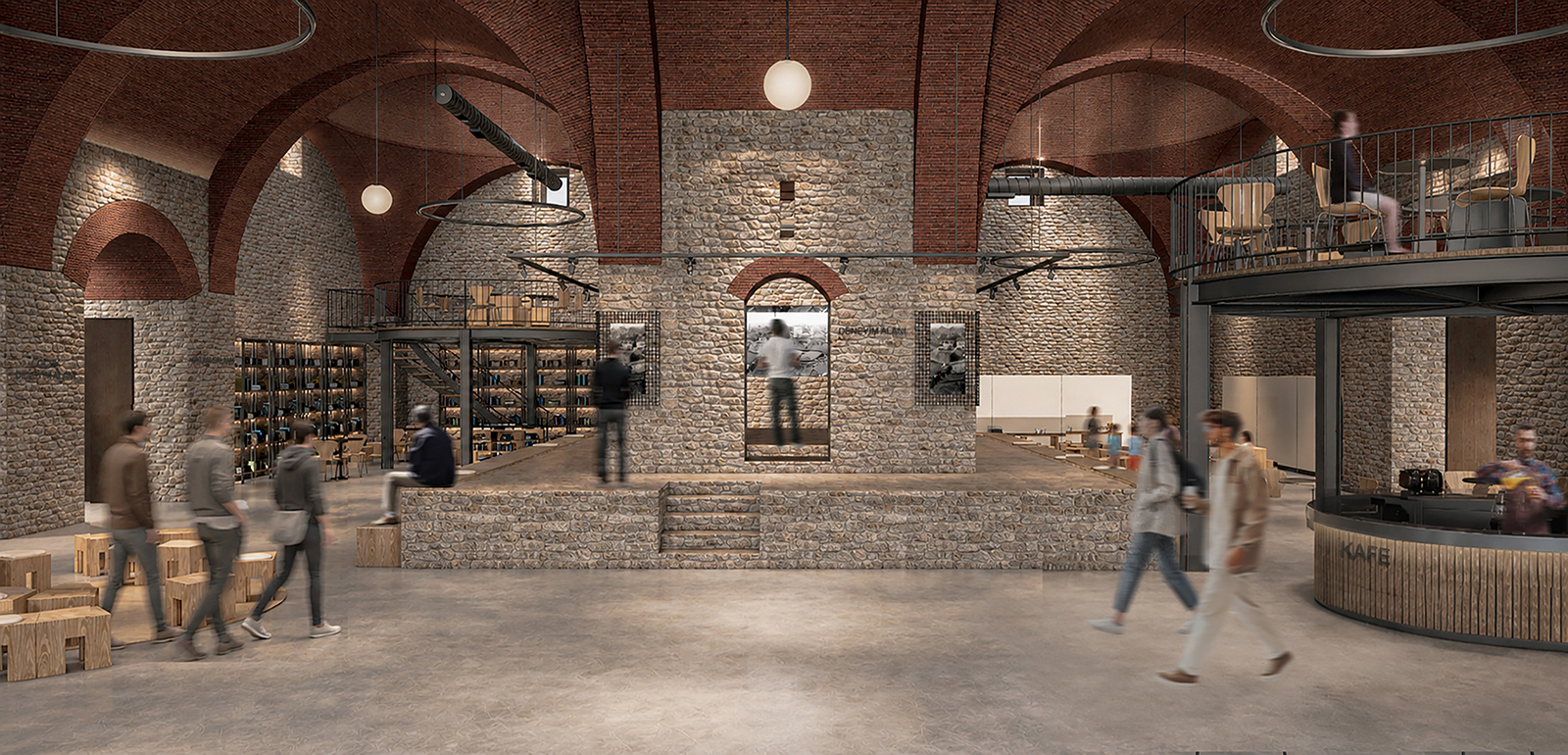
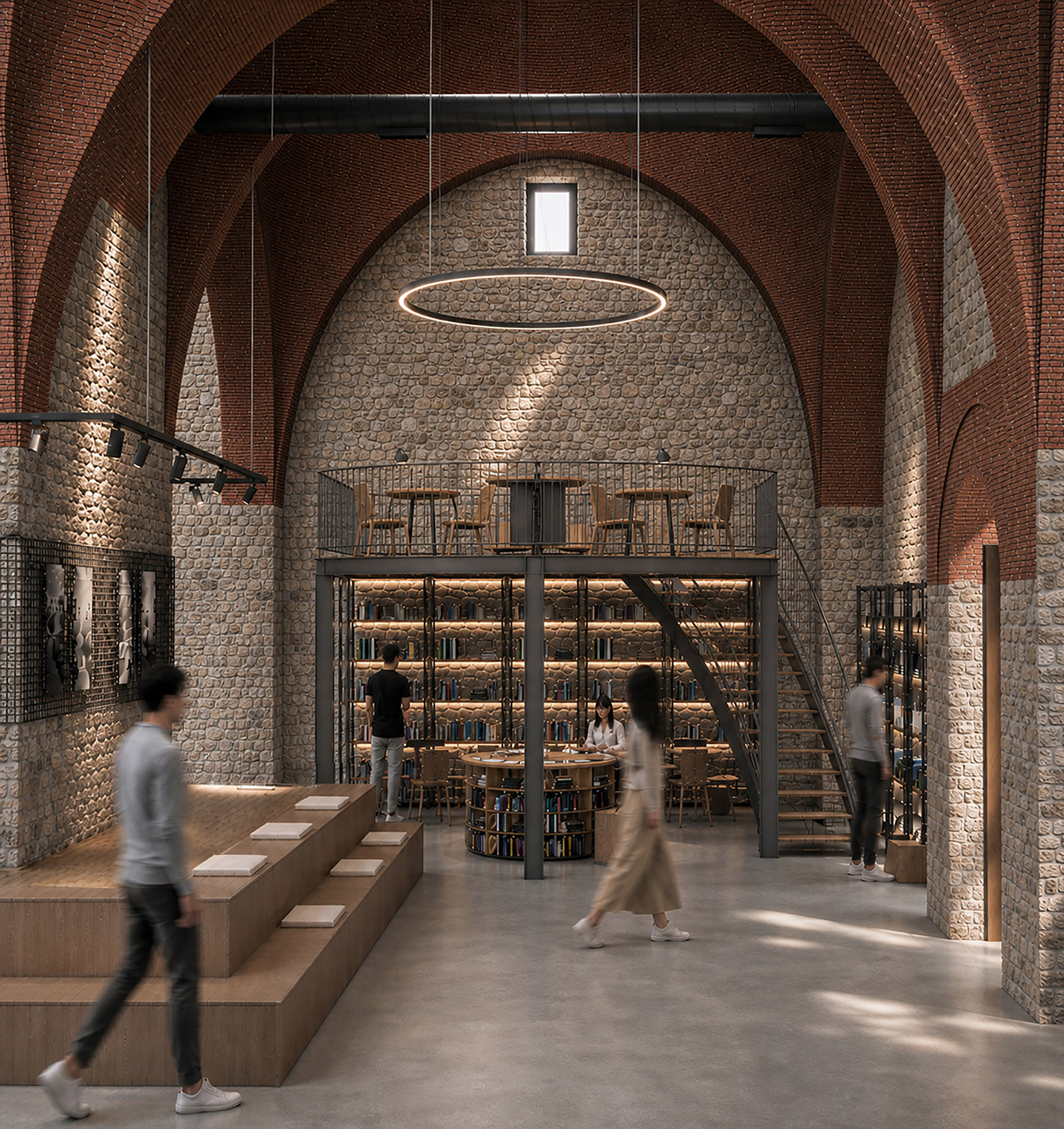
Inside, the bedesten is transformed into a continuous, flowing space that honors its original architecture through the use of lightweight, non-invasive steel structures. The central dome remains an experiential center dedicated to history, surrounded by a circuit of exhibition spaces and amphitheater seating. With the addition of a café, a reading lounge, and flexible areas for workshops and performances, the bedesten evolves from a static monument into a vibrant, living anchor for the modern city.